How to Choose the Right Cardboard Hanger Supplier?

Are Travel Hangers Worth It?
30/12/2025Picking the right cardboard hanger supplier really shapes your product’s look, your brand’s vibe, and your eco goals. Make the wrong call, and you’re looking at quality headaches, missed deadlines, and costs that creep up fast. The right partner? They help you hit your packaging targets and keep your sustainability promises.
The best cardboard hanger suppliers have real manufacturing chops, tight quality control, dependable delivery, and flexible designs that actually fit what you need. You’ll want to check their production experience, where they get their materials, how they handle customization, and whether they’ve worked with businesses like yours before.
This guide takes you through the essentials—what to know about cardboard hanger options and what to look for in a supplier. Knowing these things makes it way easier to pick someone who’ll help your business and suit your brand values.
Understanding Cardboard Hanger Solutions
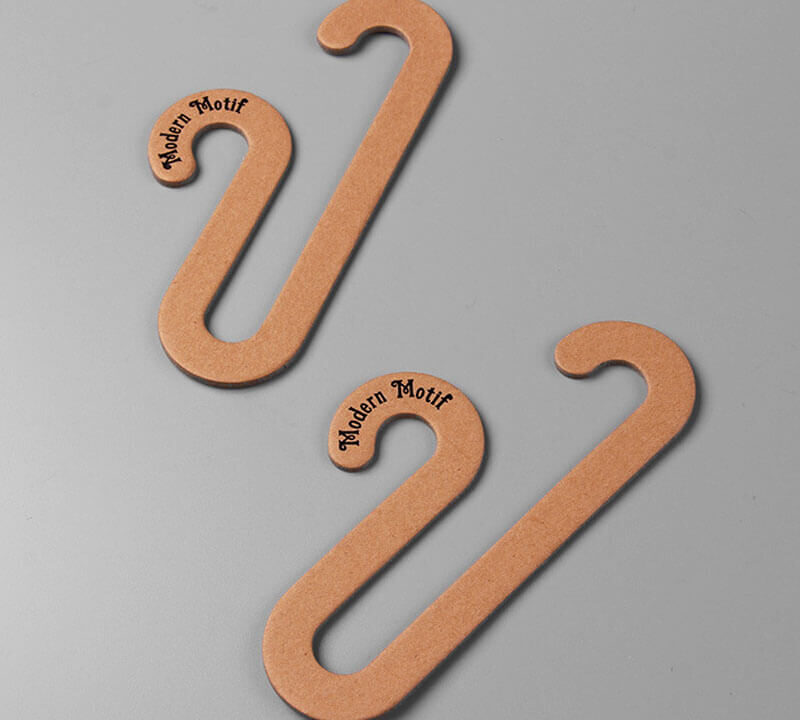
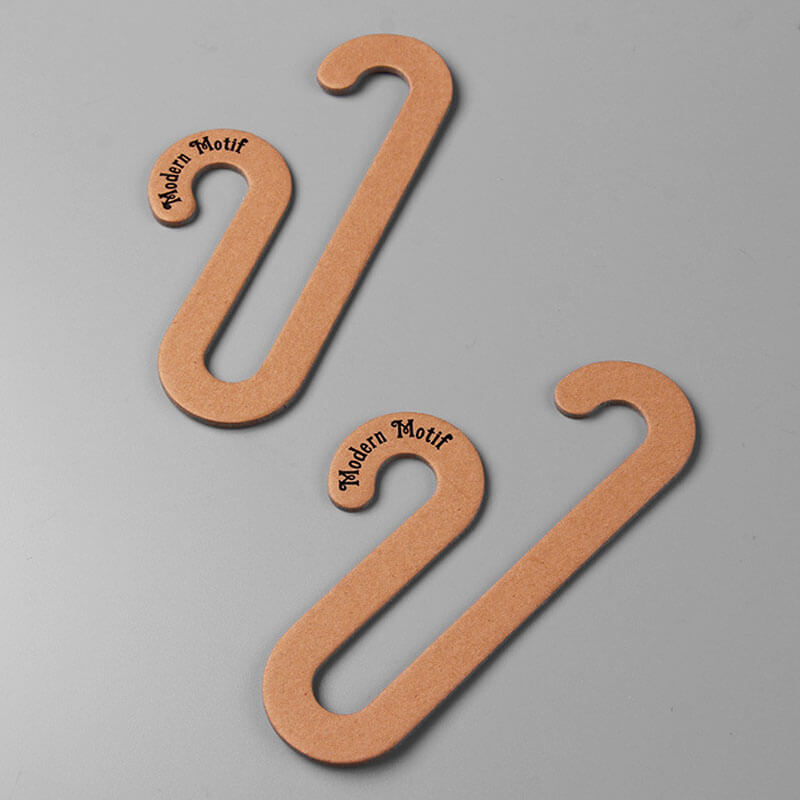
Cardboard hangers come in a bunch of styles and materials, each with its own perks compared to plastic, wood, or metal. These eco-friendly picks give businesses a way to go green without losing out on the function needed for retail and fashion.
Types of Hangers and Material Options
Most cardboard hangers use sturdy cardboard, available in different thicknesses and builds. The standard choice? Recycled solid cardboard, glued in layers for a tough base.
Some suppliers make professional paper hangers for retail displays, while others do hybrid wire hangers—think cardboard tubes mixed with metal frames for extra strength. Plain cardboard hangers work for lighter clothes, but you’ll want reinforced ones for coats or suits.
Material quality’s not the same everywhere. High-quality hangers use thick, recycled cardboard made with eco-friendly methods. You can get all sorts of shapes, from simple curves to more tailored forms for specific garments.
Most manufacturers let you tweak things. Pick your cardboard weight, color, and finish to match your branding—there’s usually a lot of flexibility.
Benefits of Cardboard Hangers Over Alternatives
Cardboard hangers cut down on plastic waste—always a plus. They’re lighter than wood, so shipping’s cheaper and your carbon footprint shrinks.
Unlike metal hangers, cardboard ones break down naturally and recycle easily. If you’re serious about sustainable packaging, that’s a win. They’re also less expensive than wood but still strong enough for most clothes.
The surface is a blank canvas for creative branding. Print your logo, a quirky design, or product info right on the hanger. Suddenly, it’s not just a hanger—it’s a mini billboard for your brand.
They’re especially handy for pop-up displays, promos, or shipping direct to customers. Cardboard hangers keep clothes in shape without adding bulk or cost.
Evaluating Sustainability and Eco-Friendly Features
Eco-friendly materials are the backbone here. Look for suppliers using recycled content and biodegradable glues.
How they make the hangers matters too. If a supplier runs a Zero Waste shop—cutting down on waste, maybe using renewable energy—that’s a big plus.
Certifications help back up green claims. A supplier with solid environmental certifications? That’s extra peace of mind.
Eco cardboard hangers break down in regular paper recycling and decompose if they end up in a landfill. That’s a real difference from plastic hangers, which just stick around forever.
Because cardboard hangers stack tightly, you can ship more at once and cut down on transportation emissions. It’s a small thing, but it adds up.
Key Criteria for Choosing the Right Supplier
Finding the right cardboard hanger supplier means looking at material quality, customization, price, and how they handle your requests. These things decide if you’ve got a solid partner—or just more headaches.
Assessing Quality of Materials and Construction
Material quality matters. The best suppliers use thick, sturdy cardboard that doesn’t bend or rip under your products. Always ask for samples and put them to the test before you order in bulk.
It’s not just about the cardboard—construction counts too. Check that holes and slots don’t tear when you hang them up. Look for strong glue points and clean cuts; these details show if a supplier cares about quality.
Certifications help you trust the product. FSC means the cardboard comes from responsible sources. ISO 9001 says they’ve got proper quality controls. These are good signs.
Don’t just take their word for it—test the samples with your actual products. See if the hangers hold up after a few rounds of handling. Better to spot problems now than after you’ve paid for a big shipment.
Exploring Customization and Branding Options
Customization lets you make hangers that fit your brand. Many suppliers offer full-color printing—logos, info, graphics, you name it. Suddenly, a basic hanger becomes a marketing piece.
A supplier with real customization skills can make unique shapes and sizes. Maybe you want a special die-cut or features like tear-off coupons or QR codes—some can do that.
Different industries need different things. Hangers for clothes aren’t the same as those for toys or hardware. The right supplier gets this and can recommend what works best.
Print quality matters, too. Ask for printed samples. You want colors that pop and crisp, readable text—not something that looks cheap or blurry.
Balancing Cost, Value, and Order Quantities
Price is important, but the lowest quote rarely means the best deal. A good supplier finds a fair balance between price, materials, and service. Always get quotes from a few places so you know what’s normal.
How much you order changes the per-piece price a lot. Bigger orders usually get you a better rate, but you have to think about storage and cash flow. Some suppliers will work with small minimums if you’re just testing things out.
| Cost Factor | What to Consider |
|---|---|
| Unit price | Compare quotes from multiple suppliers |
| Setup fees | One-time charges for custom designs |
| Shipping | Local vs. distant suppliers affect delivery costs |
| Volume discounts | Savings at different order quantities |
Be careful about hidden fees—some suppliers tack on charges for design tweaks, rush jobs, or special packaging. Always get the details in writing so there aren’t any surprises down the road.
Customer Service and Supplier Reliability
Strong customer service really makes working with a packaging supplier a lot less stressful. When suppliers respond quickly, you get answers before small problems spiral out of control. It’s always better if they give you a dedicated contact who actually understands your business and isn’t just reading from a script.
Reliable suppliers stick to delivery dates and keep you in the loop about production. Late shipments? Those can throw off retail displays and leave customers unimpressed. It’s worth asking about their usual turnaround and what they actually do if something gets delayed—sometimes the answer is more telling than you’d expect.
If a cardboard display supplier throws in some design help, that’s a bonus. They might spot ways to tweak hangers so they’re more effective or save you a bit of cash. That kind of practical advice can help you dodge expensive mistakes with countertop displays.
Long-term partnerships don’t just happen—they grow when suppliers consistently prove themselves. Ordering a small test batch first is a smart move. Watch closely how they handle any hiccups during that initial run; it says a lot about how they’ll treat you down the line.